Golden Spire
We have several of these small weeping trees in neighbouring gardens.
They produce tons of codlin shaped dual purpose fruit, good for juicing too.


We have several of these small weeping trees in neighbouring gardens.
They produce tons of codlin shaped dual purpose fruit, good for juicing too.

A very tough, round, clean, disease-free late cooker that does very well in Scotland.

Dual. UK Recorded in 1724. Strong brisk cidery taste. Rather dry tough white flesh.
Not in National Fruit Collection.
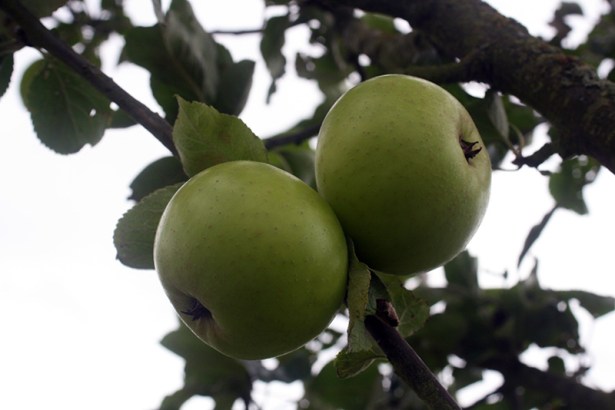
Cooker. Raised in Wigtown, Galloway. Noticed by RHS in 1871 and said to be old. Not a late keeper. May be eaten by those who like a sharp eater. Prolific producer in Perthshire.
Cooker. Also called Manks Codlin. Possibly the same as White Paradise. Raised by Mr Bewley, Ballanard, Isle of Man before 1815, but also known as Eve Apple of Scotland. Widely grown in 19th century. Sweet with red flush.
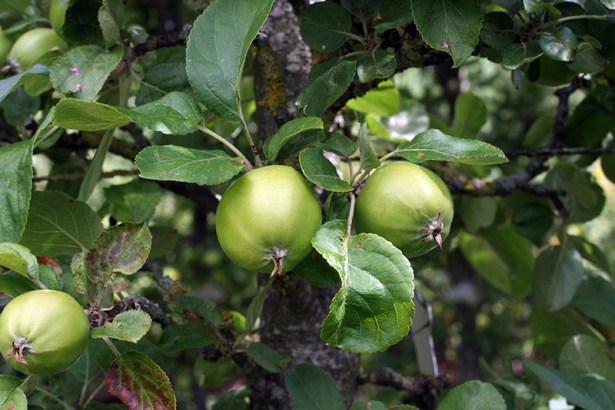
A very hardy early cooker which rarely fails in Scotland. Must be self-fertile. Good for the west coast, and tricky areas. Ready in September. Found an old orchard of these in Falkirk last year!
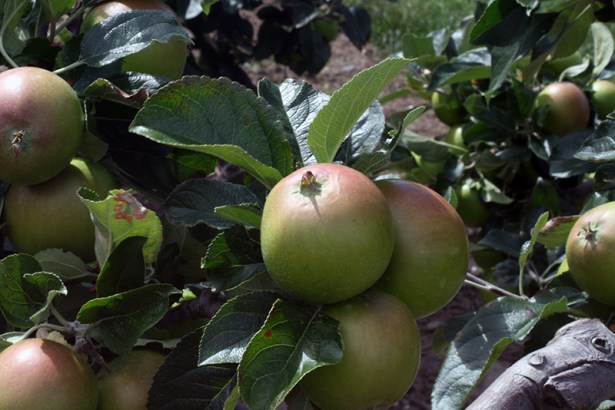
An extremely tough cooker which is usable even if it doesn’t fully ripe. It produces good crops of clean fruit. Flowers relatively late so misses early frosts.
Very hardy tree, November fruit. Old trees at Pillars in Fife.
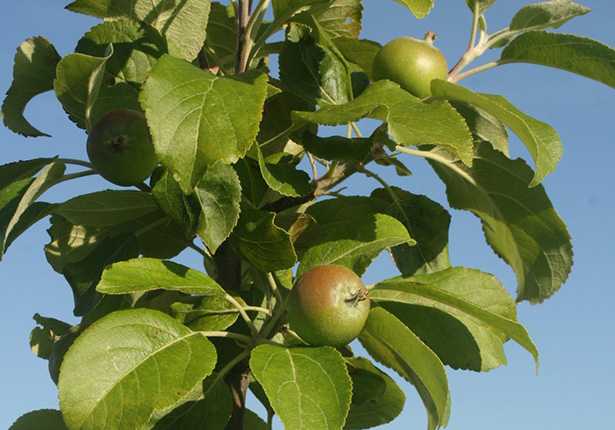
Cooker. Arose Scotland. Described 1883. Light green, almost pale fruit, quite small for a cooker.
Cooks to puree; acidic, though I would probably munch it happily, or try with cheese.

Cooker & eater. Probably raised in Scotland before 1800. Introduced commercially in early 19th century by Hugh Ronalds, Brentwood, Middlesex. Popular garden apple in 19th century.
Early, sometimes July. Firm crisp cream coloured flesh. Also known as Tam Montgomery. Can be very nice in August to munch from the tree.
A cooker from the Clyde Valley, big green, tough, a slight flush. What more do you need from a cooker? Pick late september.
 plantsandapples.com